
UK health and wellbeing manufacturer uses real-time production monitoring across nine lines to identify bottlenecks, improve resource management and support better decision-making.
Sheffield-based manufacturing technology company FourJaw Manufacturing Analytics is helping UK health and wellbeing manufacturer Lanes Health improve operational efficiency by giving teams across its business access to reliable, real-time production data.
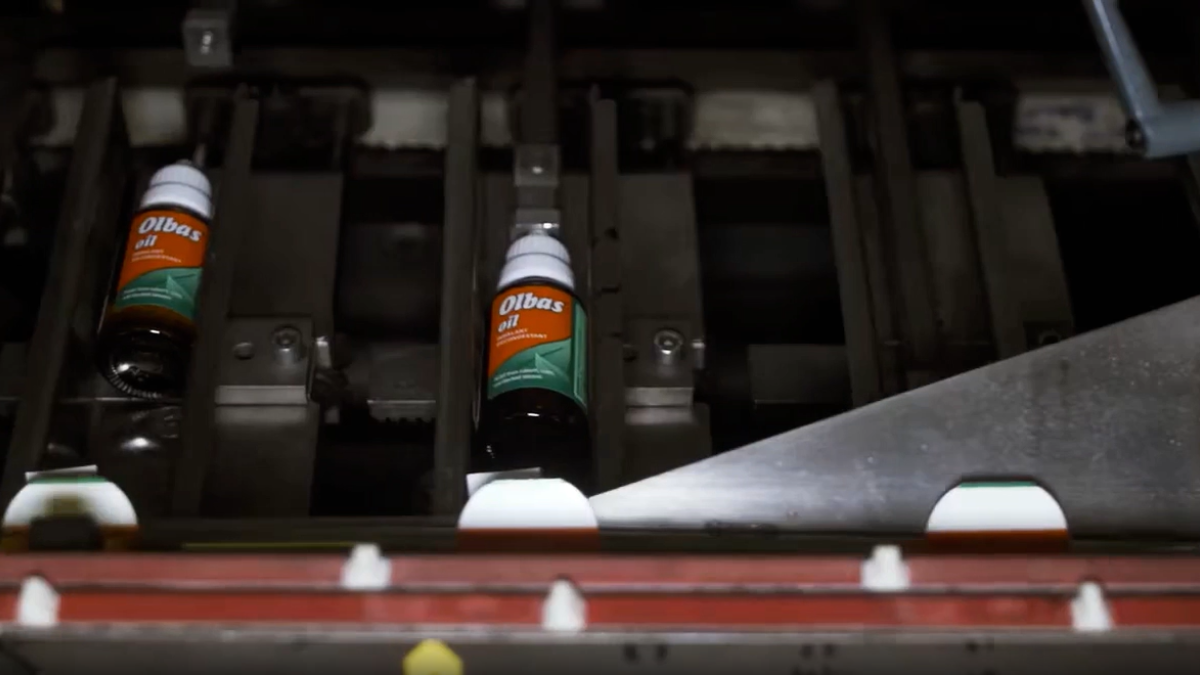
Lanes Health, a manufacturer of recognised household-branded health and wellbeing products, has deployed FourJaw across nine production lines to identify bottlenecks, track batch progress and improve how its manufacturing resources are managed.
Previously, the company relied on manual controls and anecdotal reporting to prioritise jobs, monitor production and investigate operational issues. This made it more difficult to consistently identify the causes of downtime and understand their wider impact on the business.
By introducing FourJaw, Lanes Health has established a single source of operational data that is now used across production, engineering, finance, quality assurance and lean manufacturing teams.
Identifying bottlenecks and improving efficiency
FourJaw’s production monitoring technology has enabled Lanes Health to identify hidden downtime on its bottling lines and investigate the root causes behind production interruptions.
With a clearer understanding of where time is being lost, engineering and production teams can prioritise the most important downtime events and focus improvement activity where it can make the greatest difference.
The data is also supporting quality assurance, enabling teams to instantly verify production interruptions rather than relying solely on manual investigation.
Creating value beyond the factory floor
One of the key benefits for Lanes Health has been the ability to use production data beyond its manufacturing operations.
The company’s finance team now has greater visibility of live and completed production activity, helping it identify the contributing value of additional work in progress at month-end and make more informed decisions about production costs and resource allocation.
Anna Gibbons, Finance Manager at Lanes Health, said:
“FourJaw gives us a clearer view of what is happening on the factory floor and how that translates into cost. We can see where production time is used effectively, where work is still in progress, and where there are opportunities to maximise the resources we already have. That visibility gives finance stronger data to support costing, month-end reporting and operational decision-making.”
For quality assurance teams, access to documented production data is also helping improve collaboration with engineering and production.
Claire Allen, QMS Officer at Lanes Health, added:
“Before FourJaw, much of our understanding of downtime came through manual processes. Now we have documented data that helps us pinpoint recurring issues, share clear evidence with engineering and production, and focus improvement work where it will have the biggest impact. It has made our conversations more data led.”
Turning production data into better decisions
The deployment demonstrates how manufacturers can use real-time production data to support improvement across the wider organisation, rather than limiting its value to monitoring machine performance.
By making operational information accessible to multiple departments, Lanes Health is strengthening collaboration, improving visibility of production costs and identifying opportunities to maximise existing resources.
Chris Iveson, CEO at FourJaw Manufacturing Analytics, said:
“Lanes Health has recognised that to truly transform factory performance, you have to replace anecdotal evidence with objective, real-time data. By deploying FourJaw, it has created a single source of operational truth that empowers everyone from the shop floor to the finance office to make better, data-led decisions that drive efficiency and cost savings across the business”
The project highlights the growing importance of accessible manufacturing data in helping businesses identify inefficiencies, prioritise improvements and make more informed operational and financial decisions.
Find out more: www.fourjaw.com